

Whoa!
There’s a weird gut-punch when you try to log into an exchange and it stalls. My instinct said somethin’ was off the first time I hit a verification wall. Initially I thought it was just a bad selfie upload, but then I realized that a dozen small flubs stack up into a big hold-up. On one hand the process is meant to protect you, though actually the UX sometimes treats you like a robot instead of a real person with busy life constraints.
Really?
Yes — the devil lives in file names and tiny image blur. Take a breath and read the instructions on supported IDs. If your driver’s license is folded or cropped weirdly the software will flag it. Also, don’t upload photos taken under fluorescent lights; they create artifacts that trip facial-matching algorithms.
Hmm…
OKX verification has tiers. Basic access is quick, but higher limits require more data. You’ll need a government ID, a selfie, and sometimes proof of address depending on the fiat rails you want to use. My experience with trader friends shows that address docs are the most frequently rejected piece — utility bills often have extra marks or are from a different name, which causes friction.
Whoa!
If you’re logging in and hit a hold, check 2FA first. Google Authenticator and hardware keys are far more reliable than SMS for US users. I’ll be honest: SMS is convenient but it’s also a weak link if your mobile plan changes or if you lose a SIM. So set up backup codes and save them offline; this little step saves hours of headache later.
Really?
Yes, seriously — backup codes are underrated. Store them in a password manager or on a printed note in a safe place. When people call me, they say “I lost access” and then realize they never saved the codes. That part bugs me. It’s avoidable, very very avoidable.
Whoa!
OKX sometimes requests enhanced verification when you try to withdraw large amounts or when their risk models detect unusual activity. That can feel frustrating if you’re a frequent trader who moves funds often. My instinct said it was arbitrary, but tracing the logic shows it’s tied to velocity, new device logins, and sometimes IP changes. So try to keep a consistent device and whitelist addresses when possible, and consider proving intent with trade history screenshots if asked.
Really?
On that note, logins from VPNs or overseas IPs are a common trigger. If you travel, notify support and add trusted devices beforehand. I once had a client locked out after landing in Europe; the quick fix was contacting support with a selfie and travel itinerary screenshot. It wasn’t elegant, but it worked — and that experience taught me to plan ahead.
Whoa!
When uploads fail, try a different browser or device. Mobile camera uploads sometimes compress images in ways the verification engine dislikes. Also clear cache and disable extensions that tinker with headers or images. If you still fail, screenshot the error and escalate with support — keep all timestamps and file names handy for a faster resolution.
Really?
Yes — documentation matters during escalation. Support teams respond faster when you give them precise details. Include transaction IDs, timestamps, and the exact wording of error messages. Oh, and by the way, always use the official route to log in to avoid phishing traps; bookmark your access point and use the official channel for okx login.
Whoa!
Some US traders worry about regulatory compliance. That’s understandable. On one hand you want privacy; on the other hand, exchanges must follow KYC/AML rules. Personally, I’m biased toward transparency: verifying reduces the chance of your funds getting frozen for suspicious activity. But I get it — nobody likes handing over extra documents, and this tradeoff is somethin’ users wrestle with.
Really?
Yes, and here’s the practical stuff: if verification stalls, do these steps quickly. 1) Re-take clear photos in daylight. 2) Use a recent utility bill or bank statement for address verification. 3) Confirm your name matches exactly across docs. These are small fixes that fix most problems. Honestly, most cases resolve within 24-72 hours if you respond promptly and provide clean files.
Whoa!
Security hygiene after verification is crucial. Use strong unique passwords, enable hardware 2FA if you can, and periodically review active sessions. If a device looks unfamiliar, revoke it immediately. Traders underestimate how often they leave logins open on secondary devices — that’s an easy attack vector.
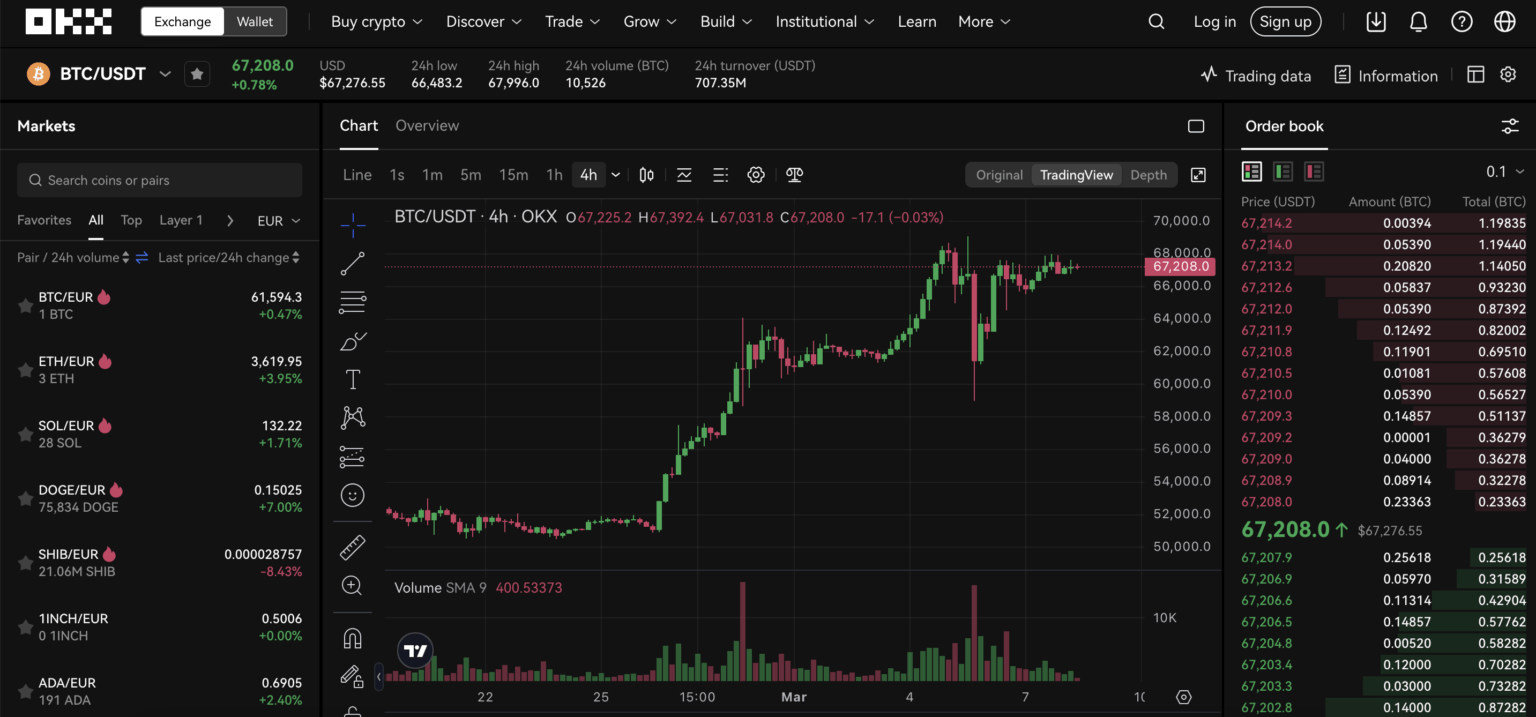
Practical checklist to finish OKX verification quickly
Really? Yes — check each item. Make sure your ID photos are clear, your selfie matches the ID, your address proof is under three months old if requested, your 2FA is enabled, and your account recovery options are set. Initially I thought that would be enough, but then I learned to include timestamps and file names when escalating. Actually, wait—one more tip: name consistency is everything; a middle initial can be the culprit if mismatched.
FAQ
How long does OKX verification take?
Typically a few minutes to a couple of days depending on volume and complexity. Fast cases clear within an hour; more involved cases can take 48-72 hours or longer if manual review is needed.
Can I trade while unverified?
Yes, but with limits. You can often view markets and perform limited trading, but withdrawals and fiat operations require higher verification levels.
What if I lose access to my 2FA?
Use your backup codes or contact support with ID proof. If you don’t have backups, be prepared for a slightly longer recovery that may include video verification or additional documents.

